
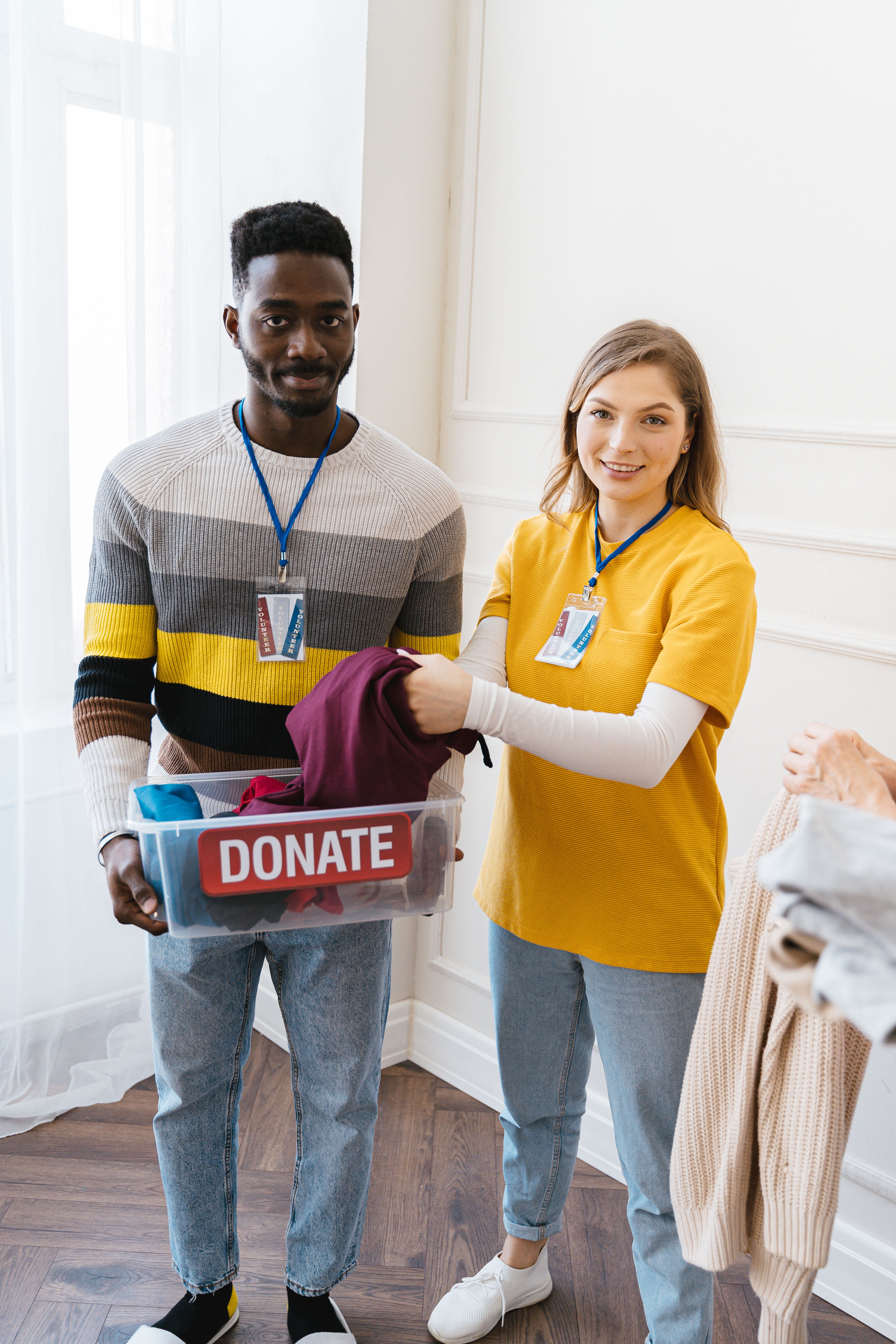

Meeting someone through community service is not automatically more halal than meeting through an app — what determines permissibility is the intention, the boundaries, and the process that follows, not the meeting context alone. However, community service settings naturally produce several conditions that Islamic courtship requires and that dating apps structurally undermine: group settings rather than private contact, genuine character observation rather than curated self-presentation, shared purpose rather than mutual attraction as the basis for interaction, and a community context that provides natural accountability. These are not incidental advantages. They are the conditions Islam has always pointed toward.
What makes any meeting context halal or haram in Islam?
Islam does not designate specific locations or methods of meeting as halal or haram in isolation. What it designates are the conditions that make courtship permissible — and any meeting context can either support or undermine those conditions.
The conditions that make courtship halal:
Genuine marriage intent from both parties. The interaction is happening because both people are genuinely considering marriage — not for entertainment, emotional companionship, or casual connection.
Appropriate boundaries. The interaction is not private, unwitnessed, or structured in ways that create physical or emotional intimacy without commitment.
Honest self-representation. Both people are presenting themselves truthfully — not performing a version of themselves designed to create an impression that does not match reality.
Family and community awareness. The process is not entirely secret. A wali is involved at an appropriate stage. The interaction happens within a context where community accountability naturally exists.
Movement toward a decision. The interaction has a purpose — genuine evaluation — and moves toward a yes or a no rather than drifting indefinitely.
A community service setting can fulfil all of these conditions naturally. A dating app can too — if the user actively maintains all of them. The difference is that community service creates these conditions structurally, while a dating app requires the user to impose them individually against an architecture designed for something else entirely.
("The classical Islamic principle of sadd al-dhara'i — closing the pathways to harm — is the scholarly foundation for preferring contexts that structurally support Islamic courtship conditions over those that structurally undermine them. A context that naturally produces appropriate boundaries, community accountability, and genuine character observation is preferable not because the alternative is haram in itself but because it removes the effort required to maintain conditions that a different context actively works against.")
Why does community service produce better conditions for Islamic courtship?
Community service settings produce several conditions that Islamic courtship requires — not because they are designed for courtship, but precisely because they are not.
Group setting rather than private contact. Volunteer projects happen in groups. The khalwa concern — private, unwitnessed interaction between non-mahram men and women — is structurally removed. Two people can interact genuinely and at length without any private arrangement being required or expected. The community is present, the activity is shared, and the interaction happens within a witnessed context by design.
Character observation rather than self-presentation. This is the most significant advantage — and the one most underappreciated. On a dating app, what you see is what someone has chosen to show you. On a volunteer project, what you see is what someone actually does.
How they treat a volunteer who made a mistake. Whether they do the unglamorous work without being asked. How they respond when plans change unexpectedly. Whether they bring the same energy to the end of a three-hour shift that they brought to the beginning. Whether their warmth extends to the elderly person no one else is paying attention to.
These are character indicators that a profile cannot display and a messaging thread cannot reveal. They are directly visible in a service context.
Shared purpose rather than mutual attraction as the basis for interaction. On a dating app, the basis for interaction is explicit: I find your profile attractive and think we might be compatible. The interaction begins with the romantic framing already established. In a community service setting, the basis for interaction is: we are both here to do something that matters. Any romantic interest that develops does so on top of a foundation of shared values and shared action — which is a more honest and more durable basis for considering marriage.
Natural community accountability. Other people know both of you. Other people will observe how you interact. Other people are available to provide character references, to mediate if needed, to provide the community vetting that the rishta process was historically built on. This accountability is built into the setting without either party having to arrange for it.
("A 2023 study published in the Journal of Social and Personal Relationships found that individuals who met their partners through shared purposeful activity — volunteer work, community organisations, faith-based groups — reported significantly higher confidence in their assessment of their partner's character before commitment than those who met through dating apps or social media. The researchers attributed this to what they called 'behavioural transparency' — the degree to which the meeting context allows genuine behaviour to be observed rather than managed. Community service scored highest on behavioural transparency of all meeting contexts studied.")
Does this mean dating apps are haram and community service is halal?
No — and the distinction matters.
What is being described are structural advantages, not categorical rulings. A community service setting that is used without genuine marriage intent, without appropriate process following any developed interest, and without family involvement at the right stage is not automatically halal courtship. A person who meets someone at a volunteer project and then pursues a private, secret, boundary-crossing relationship has not benefited from the halal potential of the context.
Similarly, a dating app used with genuine marriage intent, honest self-representation, appropriate communication boundaries, and family involvement at the right stage can be a permissible means of finding a spouse — as contemporary scholars have consistently affirmed.
The question is not "which context is halal?" but "which context makes it easier to maintain the conditions that make courtship halal?" — and community service has significant structural advantages over dating apps on this question.
("Sheikh Yasir Qadhi has described the ideal matrimonial search as one that combines multiple routes — community involvement, family networks, and verified platforms — rather than relying on any single channel. The reasoning is consistent with the structural analysis above: each route has different advantages, and community involvement specifically provides the character observation that other routes cannot. The combination is more reliable than any single approach.")
What does the Prophet ﷺ's guidance say about meeting contexts?
The Prophet ﷺ did not prescribe specific meeting contexts for potential spouses — but his guidance consistently emphasised conditions that certain contexts produce more naturally than others.
He encouraged men to look at the woman they intend to marry — and to do so in a context where genuine evaluation is possible. "Go and look at her, for it is more likely to create love between you." (Tirmidhi, authenticated) The emphasis is on genuine knowledge before commitment.
He warned against unsupervised private contact — not because interaction is harmful but because the conditions it creates are. "No man should be alone with a woman." (Bukhari and Muslim)
He described the best of people as those who are most beneficial to others — "The best of people are those who are most beneficial to people." (Al-Tabarani, authenticated by Al-Albani) — which is the description of someone whose character a community service context would make visible.
And he pointed to deen and character as the primary criteria for choosing a spouse — "Choose the one with deen." (Bukhari and Muslim) — which requires a meeting context where deen and character are actually observable, not just self-reported.
Community service settings produce, structurally and naturally, the conditions these hadiths collectively point toward: genuine evaluation, appropriate boundaries, character visibility, and community context.
What does this look like in practice at Soul Deeds?
Soul Deeds' Community Giving Circle model creates the community service meeting context specifically for Muslim singles — not as a gimmick but as a genuine application of the Islamic principles above.
Members participate in real volunteer projects — shelter meals, community giving drives, care bag packing — alongside other members who share their values and their intent. The service is real. The need it meets is real. And the character it reveals is real.
Two people who have spent three hours working together at a shelter meal have seen each other handle difficulty, interact with strangers, do unglamorous work, and show up for something beyond themselves. That is not the same information as a profile and a messaging thread. It is better information — the kind the Prophet ﷺ was pointing toward when he said to go and look at her in a way that creates genuine knowledge.
When genuine interest develops in that context, the natural next step — bringing a wali or family member in, expressing interest through an appropriate channel, moving the connection into a formal process — is structurally supported. Soul Deeds provides access to imams and marriage advisors through in-app booking precisely for this transition: the moment when something genuine has developed and both people want to move it forward the right way.
The community service context does not replace the formal process of Islamic courtship. It creates the foundation — genuine character knowledge, shared values demonstrated in action, community accountability already in place — on which that formal process can be built honestly.
Frequently Asked Questions
Is it halal to meet a potential spouse at a volunteer event? Yes — meeting someone at a volunteer event, in a group setting, with no private arrangement and genuine marriage interest that follows through appropriate channels, is entirely consistent with Islamic courtship principles. The context provides appropriate boundaries, genuine character observation, and community accountability — all conditions that Islamic courtship points toward. What matters is the intent and the process that follows the initial meeting.
What if I develop feelings for someone at a volunteer event — what should I do? Assess honestly whether marriage with them is realistic. Make istikhara. Tell a family member or wali. Express interest through an appropriate channel — a mutual contact, a family introduction, or a formal expression of interest through a wali. Move with intention rather than letting the feeling remain private and unaddressed. The halal path forward from genuine interest is always the same: move it into a proper, accountable process rather than letting it drift.
Does community service guarantee someone has good character? No — and nothing guarantees character. What community service does is make character more observable than almost any other meeting context. Someone can perform goodness on a dating app profile indefinitely. Performing genuine patience, genuine kindness to strangers, and genuine willingness to do unglamorous work over the course of real volunteer activity is significantly harder to sustain if it is not genuine. The information is better — not perfect, but better.
Is Soul Deeds a dating app? No. Soul Deeds is a Muslim matrimonial platform for people seriously seeking marriage. Members are verified, and connections form through shared community service projects rather than swiping.
How does Soul Deeds ensure the community service context remains appropriate? Soul Deeds' Community Giving Circle projects take place in group settings with shared community purpose — the context itself maintains appropriate boundaries structurally. Members are verified, the projects are real, and the community accountability that a group volunteer setting provides is built into every interaction. In-app imam and advisor booking is also available for members who want Islamic guidance on navigating any connection that develops.
Is Soul Deeds free? Yes — Soul Deeds is free to join, on iOS, Android, and the web.